_

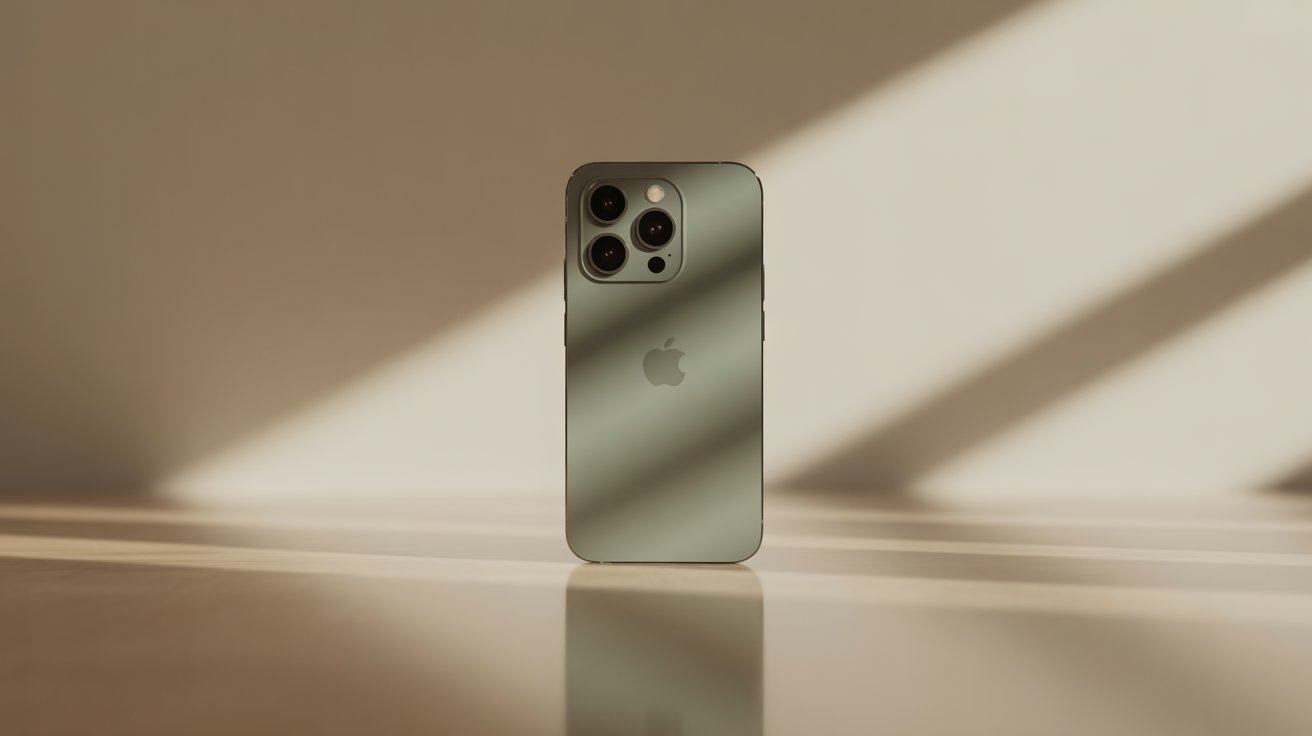

Smartphone upgrade is always the talk of the town sometimes Every year, Manufacturers release new models promising better cameras, faster performance, and longer battery life. With aggressive marketing, influencer reviews, and flashy features, it’s easy to feel pressured into upgrading. Many users begin to wonder if their current phone is suddenly outdated. But is buying the latest device always a smart decision? This article takes a practical approach to evaluating a smartphone upgrade based on real-life usage rather than marketing hype.
Performance Improvements: Noticeable or Not?
New smartphones usually come with faster processors, more RAM, and improved graphics performance. On paper, these upgrades sound impressive. However, for most everyday users, the difference may not be noticeable.
Common tasks such as:
- Messaging
- Browsing the internet
- Using social media
- Streaming videos
Already run smoothly on many older smartphones. Unless you regularly use demanding apps like high-end mobile games, video editing software, or advanced productivity tools, a performance-based smartphone upgrade may not significantly improve your daily experience.
In many cases, performance issues on older phones are caused by storage clutter or outdated software rather than weak hardware.
Camera Upgrades: Incremental Changes
Camera quality is one of the biggest reasons people consider a smartphone upgrade. Manufacturers highlight higher megapixels, better zoom, and advanced photography features. However, recent improvements are often incremental rather than revolutionary.
Software processing now plays a major role in image quality. If your current phone already:
- Takes clear photos
- Performs reasonably well in low light
- Records stable videos
A new smartphone upgrade may not drastically change how your photos look in everyday situations. For casual photography and social media use, most modern phones from the last few years remain more than capable.
Battery Life Reality
Battery life is another major selling point for new smartphones. While manufacturers promise longer battery performance, real-world results depend heavily on usage habits, app behavior, and screen time.
New features such as brighter displays, higher refresh rates, and background services can sometimes increase power consumption. In many cases, poor battery performance on older phones is caused by battery wear rather than outdated technology.
Replacing a worn battery in an older device can often restore performance and extend usage time at a fraction of the cost of a full smartphone upgrade.
Software Support Matters More
One of the most practical reasons to consider a smartphone upgrade is long-term software support. Over time, older devices stop receiving operating system updates and security patches.
If your device:
- No longer receives security updates
- Has compatibility issues with newer apps
- Poses potential security risks
Then upgrading becomes a practical and responsible decision rather than a luxury. Software support affects not just features but also privacy and protection against security threats.
Cost vs Value Analysis
Smartphones are expensive investments, and upgrading every year can quickly become financially draining. Before committing to a smartphone upgrade, it’s important to evaluate cost versus actual value.
Consider factors such as:
- Trade-in or resale value of your current phone
- Repair costs compared to replacement
- Whether new features genuinely improve your daily use
Sometimes, waiting another year or skipping a generation provides better value, as changes between yearly releases are often minor.
When a Smartphone Upgrade Makes Sense
A smartphone upgrade makes the most sense when your current device no longer meets your needs. This could include frequent crashes, poor battery health, lack of software updates, or hardware damage that is costly to repair.
Upgrading should solve real problems, not just satisfy curiosity or marketing pressure.
Conclusion
The latest smartphone isn’t always necessary. For many users, upgrading every two to three years—or even longer—offers a better balance between performance, cost, and value. A smart smartphone upgrade decision focuses on usability, security, and long-term benefits rather than chasing the newest release. By evaluating your actual needs, you can make a confident upgrade choice that truly works for you.