_

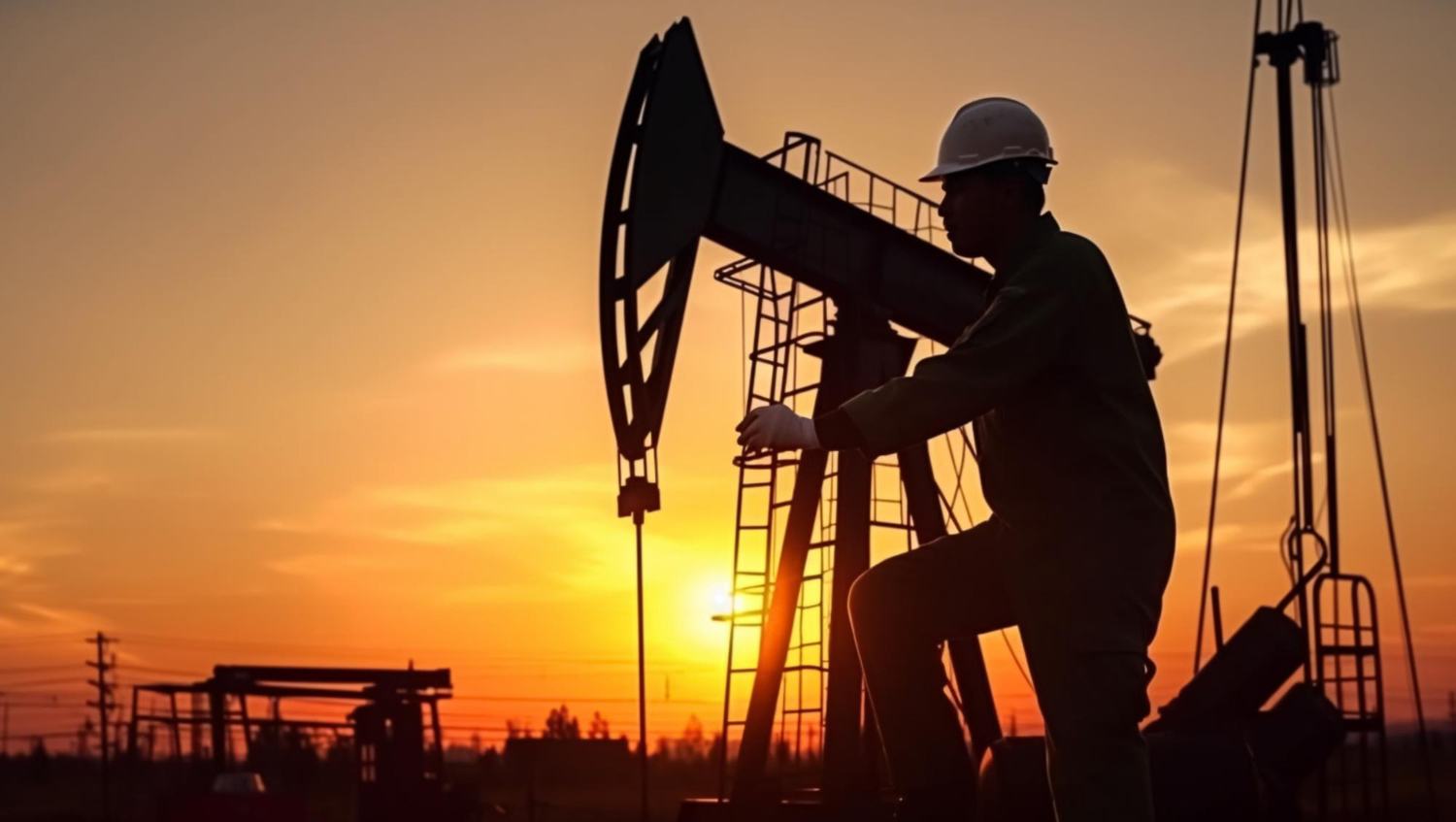

Oil trading was a game dominated by gut instinct, deep industry contacts, and a trader’s ability to read geopolitical tea leaves faster than the next guy. That world still exists, but it now runs alongside something very different: lines of code making split second decisions based on satellite imagery, shipping data, and sentiment scraped from thousands of news sources at once. Algorithmic trading has quietly become one of the most powerful forces in the energy market, and understanding how it works is no longer optional for anyone serious about oil or the tech stocks tied to it.
From Pit Traders to Python Scripts The oil market used to move on phone calls and handshake deals.
Now a meaningful share of daily crude oil futures volume is executed by algorithms that never sleep, never panic, and never need a coffee break. These systems scan price feeds, inventory reports, weather patterns, and even tanker movements picked up by satellite tracking services, then act on that information in milliseconds. This shift didn’t happen overnight. It built up over the last fifteen years as computing power got cheaper and data got more abundant. What used to require a room full of analysts can now run on a laptop with the right dataset and a well tuned model. That democratization cuts both ways. It means smaller trading shops and even sophisticated retail traders can compete in spaces that used to be reserved for major banks and hedge funds. It also means the market can move faster and more violently than it used to, since so many algorithms are watching the same signals and reacting in similar ways.
Why This Matters Beyond Oil Traders
You might be wondering why this matters if you’re not personally trading crude futures. The answer is that oil price movements ripple directly into tech stock valuations, and increasingly, tech companies are the ones building the tools that move oil prices in the first place. Energy costs are a real input for data centers, cloud computing infrastructure, and even the semiconductor manufacturing that underpins most modern technology. When oil and broader energy prices swing sharply, it affects operating costs for major tech firms,which in turn affects earnings forecasts, which in turn affects stock prices. A sudden spike in oil driven by algorithmic momentum trading can show up a few weeks later in a tech company’s quarterly guidance. At the same time, some of the biggest names in enterprise software and cloud computing are the ones supplying the infrastructure that powers commodity trading algorithms. Cloud platforms host the models. Chip makers supply the processing power for real time analysis. Data providers sell the satellite imagery and shipping intelligence that feeds these systems. So the relationship isn’t one directional. Oil affects tech, and tech increasingly drives how oil gets traded.
The Role of Machine Learning in Price Prediction
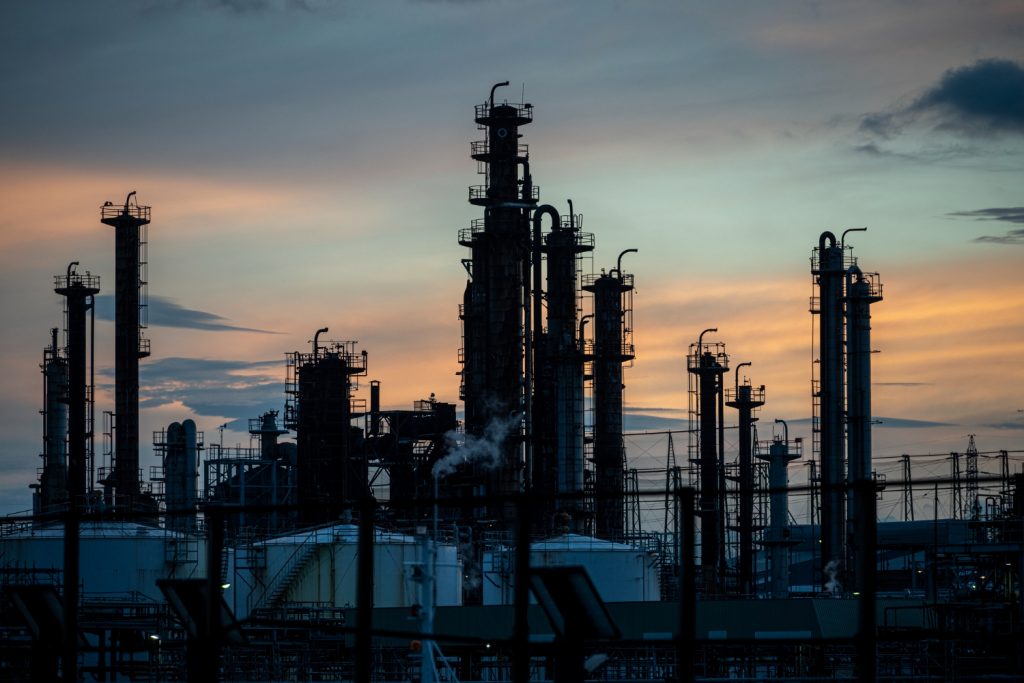
Traditional oil price models leaned heavily on supply and demand fundamentals: OPEC production decisions, US shale output, seasonal demand patterns, and inventory levels reported weekly. Machine learning models still use all of that, but they layer in far more variables than a human analyst could reasonably track. Natural language processing tools now scan news articles, central bank statements, and even social media in real time to gauge market sentiment before it fully shows up in price action. Computer vision models analyze satellite images of storage facilities to estimate actual inventory levels independent of official reports, which matters a lot in regions where reporting can be delayed or unreliable. Some funds have even experimented with tracking ship movements through AIS transponder data to predict crude flows before they hit official trade statistics. None of this makes prediction perfect. Oil remains one of the most notoriously difficult assets to forecast because it sits at the intersection of geopolitics, weather, and human decision making, three things that don’t always behave rationally. But algorithmic systems have gotten noticeably better at reacting to new information faster than human traders, even if they’re not necessarily better at predicting the unpredictable.
Volatility, Flash Moves, and What Retail Traders Should Know
One consequence of heavier algorithmic participation is that oil prices can now swing sharply on thin justification. A single headline, even one that later turns out to be exaggerated or false, can trigger a wave of algorithmic selling or buying before human traders have time to verify what actually happened. This has led to several notable flash crashes and spikes in oil futures over the past few years, moves that reversed within minutes once the algorithms recalibrated.For retail traders or anyone watching oil as a signal for broader market health, this means treating sudden price moves with a healthy amount of skepticism. A five percent swing in ten minutes is more likely to be algorithmic noise than a genuine shift in fundamentals. Waiting for confirmation, whether that’s a follow through move over the next few hours or actual news verification, tends to be a safer approach than chasing the initial spike.
Where This Is Heading
The trend line is pretty clear. More capital will continue flowing into algorithmic and AI driven trading strategies across commodities, not less. Firms that build better models, access cleaner data, and execute faster will keep gaining an edge over those relying on traditional analysis alone. For anyone tracking the intersection of tech and energy markets, the story isn’t just about oil prices anymore. It’s about which companies control the infrastructure, the data, and the algorithms that increasingly decide what those prices will be. Understanding this shift matters whether you’re actively trading energy markets or simply trying to make sense of why tech stocks sometimes move in step with crude oil headlines. The two markets are more intertwined than most people realize, and that connection is only getting tighter as the tools get smarter.