_

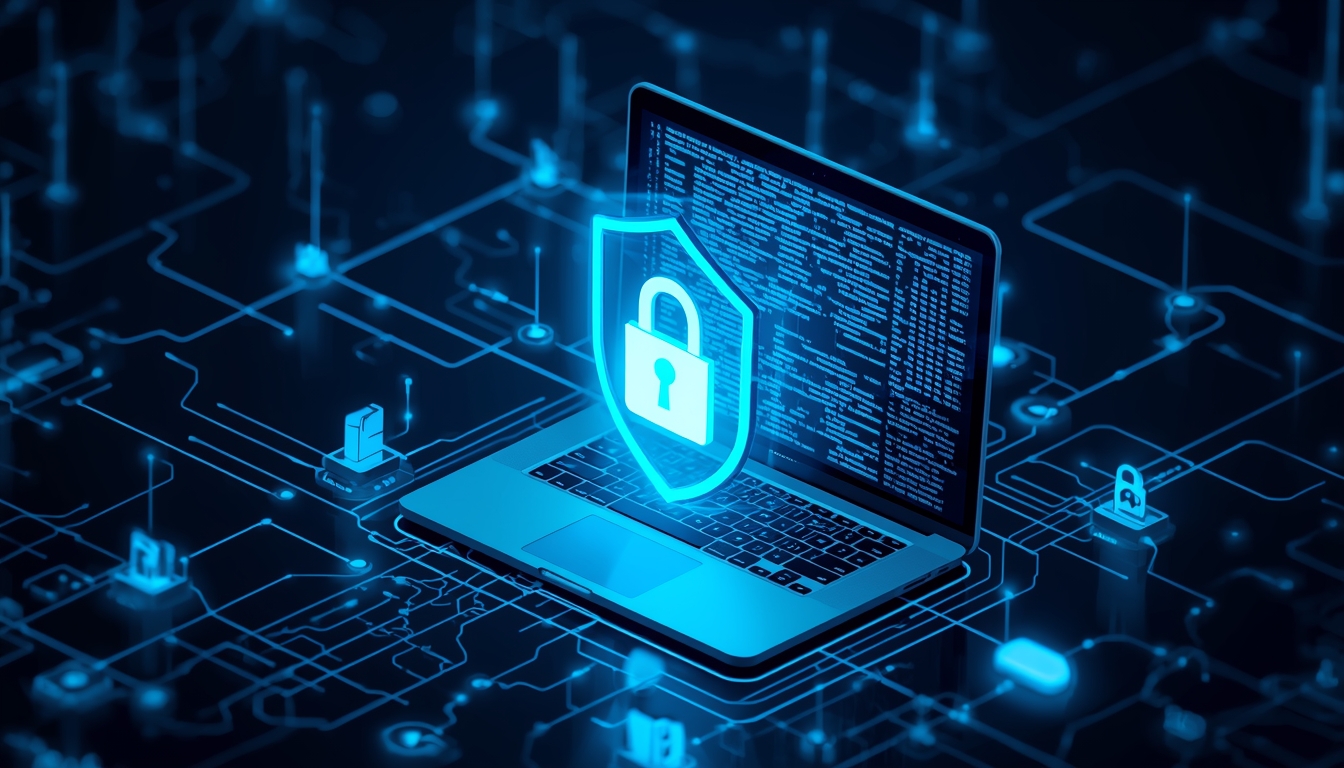

As technology becomes deeply integrated into daily life, the risk of online threats continues to grow. Smartphones, laptops, and tablets store personal information, financial data, and private communications, making them attractive targets for cybercriminals. Many online attacks succeed not because of advanced hacking, but due to simple security mistakes. This guide explains practical steps you can take to keep your devices secure from online threats and protect your digital life.
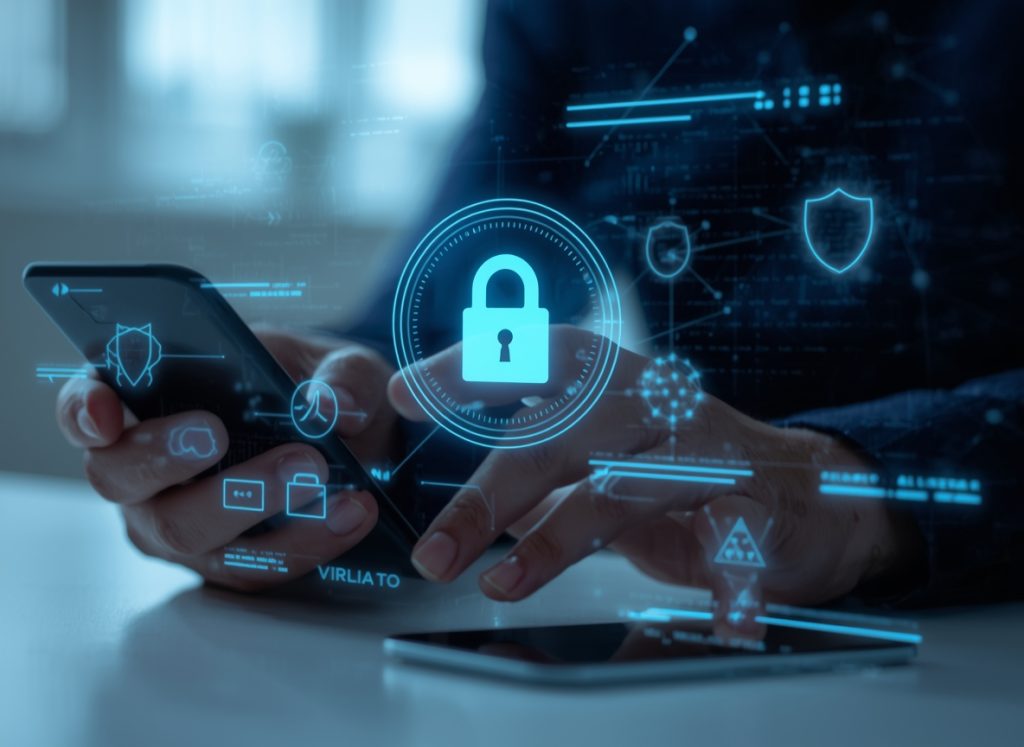
Understanding Common Online Threats
Before improving security, it’s important to understand the risks. Common online threats include:
- Phishing emails and fake websites
- Malware and spyware
- Weak passwords and unauthorized access
- Unsafe public Wi-Fi networks
These threats often rely on user actions, such as clicking malicious links or downloading unsafe files.
Use Strong and Unique Passwords
Passwords are the first line of defense. Weak or reused passwords make it easy for attackers to gain access.
Best practices include:
- Using long passwords with a mix of characters
- Avoiding personal information
- Using a different password for each account
Password managers can help store and generate secure passwords.
Enable Two-Factor Authentication
Two-factor authentication (2FA) adds an extra layer of security. Even if a password is compromised, 2FA requires an additional verification step.
This can include:
- SMS or email codes
- Authentication apps
- Biometric verification
Enabling 2FA greatly reduces the risk of unauthorized access.
Keep Software and Apps Updated
Software updates often include security patches that fix vulnerabilities. Ignoring updates leaves devices exposed to known threats.
To stay protected:
- Enable automatic updates when possible
- Update apps regularly
- Restart devices after major updates
Updates improve both security and performance.
Be Careful With Emails and Links
Phishing attacks often look legitimate. Attackers disguise messages as trusted sources to trick users into revealing information.
Stay safe by:
- Checking sender details carefully. make sure it’s from a legit sender, beware of mails that directly goes to spam boxes.
- Avoiding unexpected links or attachments. don’t just click on links, sometimes clicking on these links alone gives access to data exposure.
- Verifying requests before taking action
When in doubt, don’t click.
Secure Your Internet Connection
Public Wi-Fi networks are convenient but risky. Avoid accessing sensitive accounts on unsecured networks.
For safer browsing:
- Use trusted networks
- Enable device firewalls
- Consider using a virtual private network (VPN)
A secure connection protects data from interception.
Manage App Permissions Wisely
Sometimes, Apps often request access to device features they don’t need. and we tend to just give this access to them which might expose our data unknowingly. Reviewing permissions helps reduce unnecessary data exposure.
Regularly:
- Check app permissions
- Remove access from unused apps
- Uninstall apps you no longer trust
Permission control improves both privacy and performance.
Back Up Your Data Regularly
Backups protect against data loss caused by malware, theft, or hardware failure. Use:
- Cloud backups
- External storage devices
Regular backups ensure you can recover important data when needed.
Practice Safe Browsing Habits
Security is also about awareness. Avoid downloading files from untrusted sources and stick to reputable websites.
Good habits reduce exposure to malicious content.
Conclusion
Keeping your devices secure doesn’t require advanced technical knowledge. Simple steps such as using strong passwords, updating software, and staying alert online can significantly reduce risk. By practicing smart security habits, you can protect your devices and enjoy a safer digital experience.