_

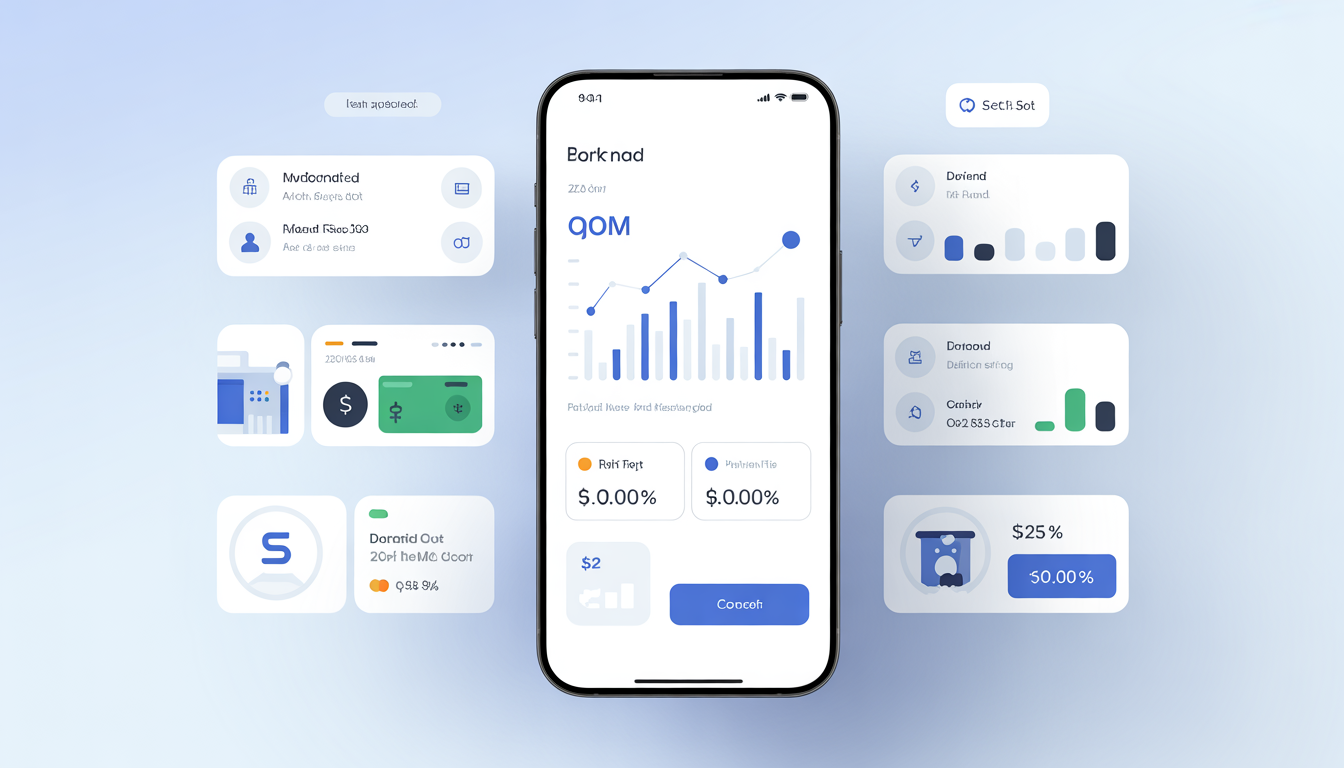

Fintech apps have changed the way people interact with financial services. Traditional banking processes were often slow, complex, and dependent on physical locations and office hours. Tasks such as transferring money, checking balances, or resolving simple account issues could take hours or even days. Fintech applications now offer faster, more user-friendly alternatives that simplify everyday banking tasks through digital platforms. By combining technology with finance, these apps reduce friction and improve access to essential financial services. This article explores the rise of fintech apps and how they are making banking easier and more accessible for individuals and businesses.

What Are Fintech Apps?
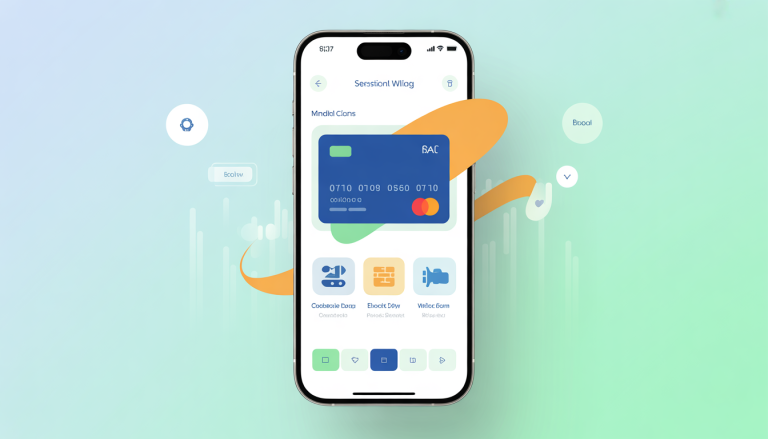
Fintech apps are digital platforms that use technology to deliver financial services through mobile devices or web applications. They aim to improve how people save, spend, transfer, and manage money by replacing or enhancing traditional banking systems.
These services include:
- Mobile banking
- Digital payments
- Budgeting tools
- Expense tracking
Many fintech apps also offer features such as investment management, lending, bill payments, and financial insights. Their core focus is convenience, speed, and user experience, allowing users to handle financial tasks anytime and anywhere without visiting a bank branch.
Simplifying Account Management
One major advantage of fintech apps is simplified account management. Instead of relying on paper statements or limited customer service hours, users can access their financial information instantly through their smartphones.
Users can:
- Check balances instantly
- View transaction history
- Receive real-time alerts
This level of transparency helps users stay informed about their finances and quickly identify unusual activity. Real-time notifications also encourage better financial awareness and responsible spending habits, making it easier to manage money on a daily basis.
Faster and Easier Money Transfers
Fintech apps make transferring money quick and straightforward compared to traditional banking methods. Users can send and receive money within seconds, often without needing detailed bank information.
Features such as:
- Peer-to-peer transfers
- QR code payments
- Scheduled payments
Reduce friction and improve efficiency. These tools are especially useful for splitting bills, paying vendors, or sending money across borders. Faster transfers improve cash flow and enhance the overall banking experience for both individuals and businesses.
User-Friendly Design and Accessibility
Fintech apps prioritize clean design and intuitive navigation to ensure ease of use. Unlike traditional banking platforms that can feel complicated, fintech apps are built with user-centered design principles.
Accessibility features include:
- Simple onboarding processes
- Clear transaction summaries
- Minimal technical complexity
Good design reduces errors, shortens learning curves, and builds user confidence. This approach makes financial services more accessible to people with varying levels of digital literacy, including those new to digital banking.
Cost Reduction and Efficiency
By operating digitally, fintech apps often reduce operational costs associated with physical branches and manual processes. These savings allow fintech companies to offer more competitive services.
Benefits include:
- Lower transaction fees
- Faster service delivery
- Improved customer support
Automation also improves efficiency by handling routine tasks such as payment processing and account updates. This allows service providers to focus on improving features and customer experience.
Security and Trust in Fintech
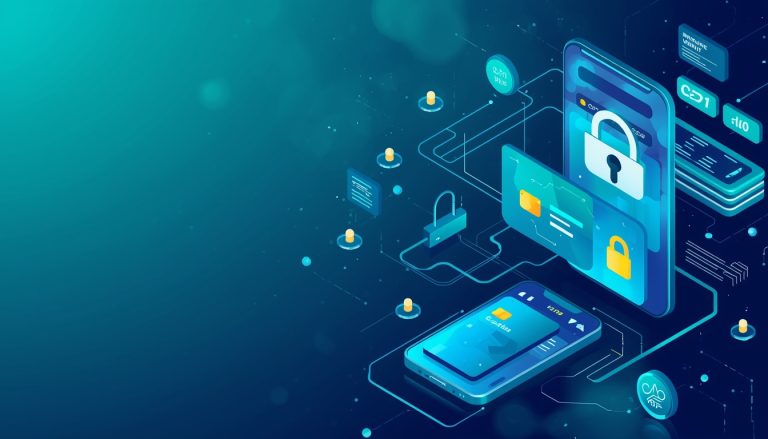
Security is a key focus in fintech development, as financial apps handle sensitive personal and financial data. To protect users, fintech apps employ advanced security technologies.
Apps use:
- Multi-factor authentication
- Secure encryption
- Continuous monitoring
These measures help prevent fraud, detect suspicious activity, and protect user information. Over time, consistent security practices build trust and encourage wider adoption of fintech services.
The Future of Fintech Applications
As technology advances, fintech apps will continue to expand features such as automation, personalization, and integration with other digital services. Artificial intelligence and data analytics will enable more personalized financial insights and smarter recommendations.
Fintech apps are expected to play a growing role in areas such as digital lending, investment platforms, and financial education, further improving accessibility and efficiency.
Conclusion
Fintech apps are simplifying banking by making financial services faster, clearer, and more accessible. Their focus on usability, security, and technology-driven efficiency is redefining how people manage money in the digital age. As adoption increases, fintech apps will continue to shape the future of modern banking.
revtalkstech.com.nghttps://revtalkstech.com.ng/