_

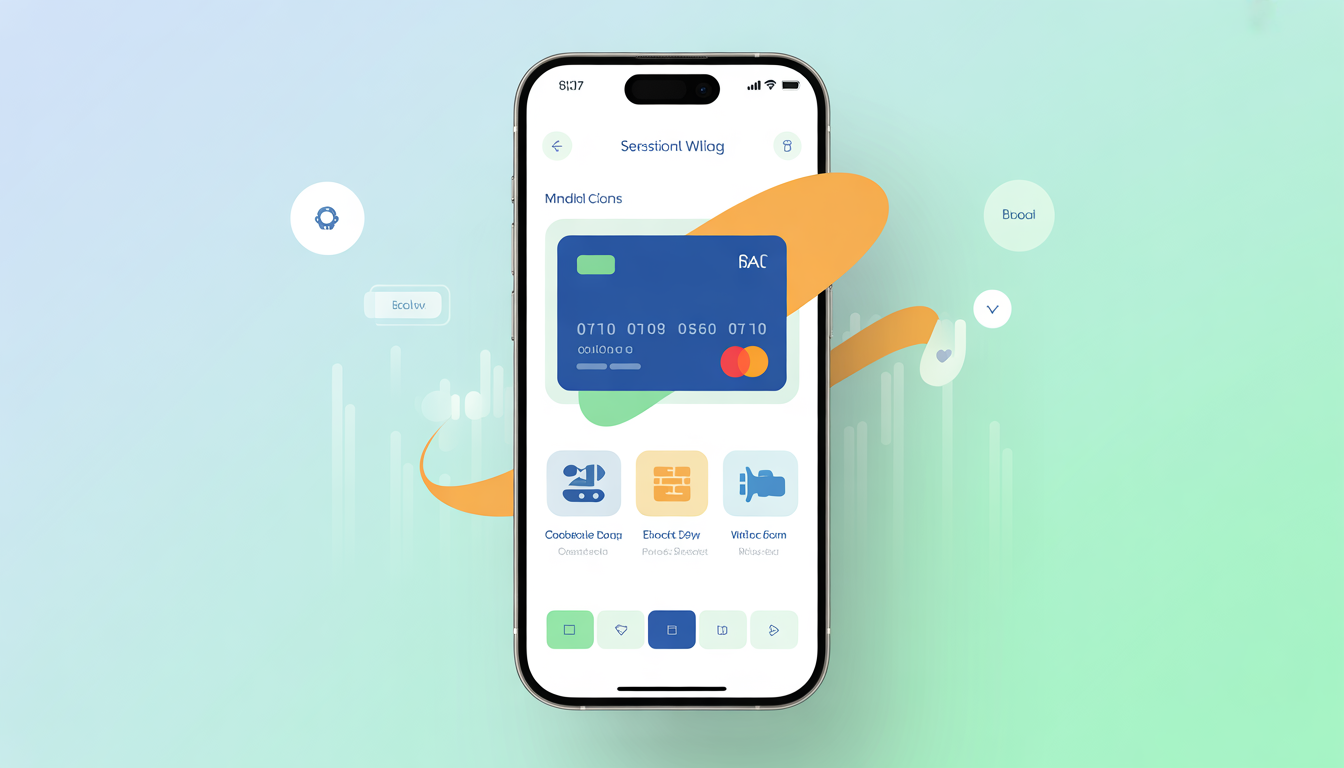

Digital wallets have become a key part of modern financial technology. From paying for goods online to sending money instantly, digital wallets simplify everyday transactions in ways that were not possible a few decades ago. They have changed how people interact with money by removing the need for physical cash and reducing reliance on traditional banking processes. Many people now use digital wallets daily for shopping, subscriptions, and money transfers without fully understanding how they work or why they are important. This article explains DWs in simple terms, how they function, and why they play a significant role in today’s digital economy.

What Is a Digital Wallet?
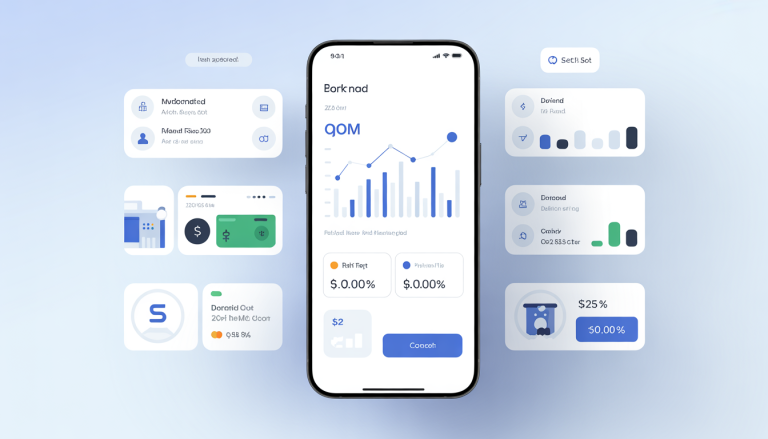
This is a software-based tool that stores payment information securely and allows users to make electronic transactions. Instead of carrying physical cash or multiple bank cards, users can store their financial details digitally in one place. Digital wallets are usually accessed through mobile apps, web platforms, or integrated banking applications.
They can store:
- Debit and credit card information
- Bank account details
- Transaction history
- Authentication credentials
Beyond payments, many digital wallets also support features such as bill payments, subscription management, and peer-to-peer money transfers. They act as a bridge between users and digital payment systems, making financial interactions faster, more organized, and more accessible.
How it Works
Digital wallets use encryption and secure authentication methods to process payments safely. When a user initiates a transaction, several steps happen behind the scenes to ensure accuracy and security.
First, the wallet verifies the user’s identity using methods such as passwords, biometric data, or security codes. Once verified, payment details are securely transmitted to the payment processor or financial institution. The transaction is then authorized and completed almost instantly.
Most wallets rely on secure servers and cloud technology to ensure reliability, speed, and accessibility across devices. This infrastructure allows users to access their wallets anytime and anywhere, as long as they have an internet connection.
Types of Digital Wallets
There are different types of digital wallets designed for various use cases and user needs. Each type offers similar functionality but is optimized for specific platforms or situations.
- Mobile wallets for smartphone payments
- Online wallets for web-based transactions
- Integrated wallets connected to banking apps
Mobile wallets are commonly used for in-store and contactless payments, while online wallets are popular for e-commerce and international transactions. Integrated wallets are often linked directly to bank accounts, offering seamless transfers and account management. Each type serves the same purpose: making payments faster, more convenient, and more efficient.
Security Features of Digital Wallets
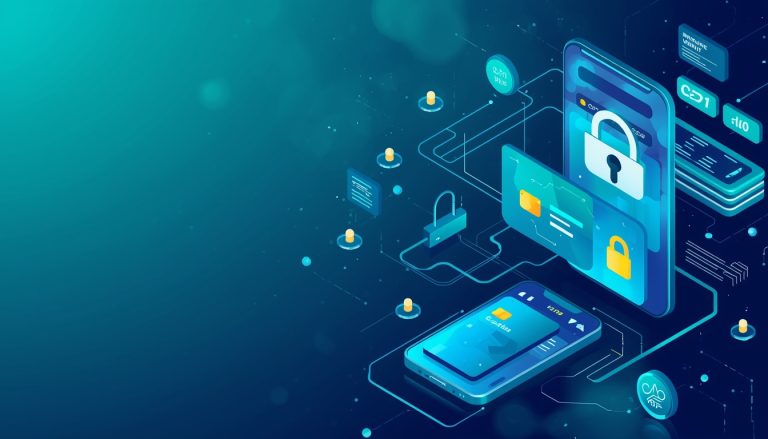
Security is a top priority for digital wallet providers because they handle sensitive financial data. To protect users, digital wallets are built with multiple layers of security.
Common features include:
- Encryption to protect data during storage and transmission
- Biometric authentication such as fingerprints or facial recognition
- Two-factor authentication for added security
These measures significantly reduce the risk of fraud, unauthorized access, and data breaches. In addition, many wallets monitor transactions in real time to detect suspicious activity and alert users immediately.
Benefits of Using a Digital Wallets
Digital wallets offer several advantages that make them attractive to both individuals and businesses. One of the biggest benefits is speed, as transactions are completed within seconds. This is especially useful for online shopping, bill payments, and money transfers.
Other benefits include:
- Faster transactions
- Better expense tracking
- Reduced need for physical cash
Digital wallets also provide a clear transaction history, making it easier for users to track spending and manage budgets. For businesses, they reduce payment friction and improve customer experience by offering multiple payment options.
Why Digital Wallets Matter Today
Digital wallets support the growing digital economy by enabling cashless transactions across different industries. They play an important role in financial inclusion by giving people access to digital financial services, even without traditional bank accounts.
As e-commerce, remote work, and online services continue to grow, digital wallets help simplify commerce for individuals and businesses alike. They reduce transaction costs, improve efficiency, and support global financial connectivity.
Conclusion
Digital wallets have transformed how people manage and transfer money in the modern world. Their combination of convenience, speed, and security makes them an essential part of today’s digital finance ecosystem. As technology continues to evolve, digital wallets are expected to play an even greater role in shaping the future of payments and financial services